
Coronary Artery Disease (CAD) is one of the leading causes of death worldwide, yet it often develops silently over many years before symptoms appear. Understanding its causes is the first step toward prevention and long-term heart health.
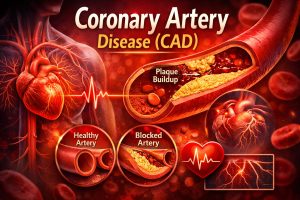
Coronary Artery Disease occurs when the arteries that supply blood to the heart become narrowed or blocked. This happens due to a buildup of plaque—a combination of fat, cholesterol, calcium, and other substances—along the artery walls. Over time, this buildup restricts blood flow, reducing the amount of oxygen reaching the heart muscle.
If left untreated, CAD can lead to serious complications such as chest pain (angina), heart attacks, or even heart failure.
The main cause of CAD is a process known as atherosclerosis. This condition develops gradually and is often influenced by lifestyle choices and underlying health conditions.
Atherosclerosis begins when the inner walls of the arteries become damaged. This damage allows cholesterol and other substances to stick to the artery walls, forming plaque. As plaque accumulates, the arteries harden and narrow, limiting blood flow.
Several key factors increase the risk of developing Coronary Artery Disease:
Excess low-density lipoprotein (LDL), often called “bad cholesterol,” contributes to plaque formation. Low levels of high-density lipoprotein (HDL), the “good cholesterol,” can worsen the problem.
Hypertension puts extra strain on artery walls, making them more susceptible to damage and plaque buildup over time.
Smoking damages blood vessels, lowers oxygen levels in the blood, and increases the likelihood of plaque formation.
High blood sugar levels can damage blood vessels and increase the risk of atherosclerosis.
Diets high in saturated fats, processed foods, and sugar can raise cholesterol levels and contribute to weight gain—both major risk factors for CAD.
Lack of exercise is linked to obesity, high blood pressure, and poor cholesterol levels, all of which increase CAD risk.
Chronic stress may contribute to unhealthy habits such as overeating or smoking and can also affect blood pressure and heart health.
Age and genetics also play a role. As people age, arteries naturally become less flexible. Additionally, individuals with a family history of heart disease may be at a higher risk.
Hormonal changes can also influence risk, especially in women after menopause, when protective estrogen levels decline.
One of the challenges of Coronary Artery Disease is that it often shows no symptoms in its early stages. By the time noticeable signs appear, the arteries may already be significantly narrowed.
That’s why prevention is critical. Maintaining a healthy lifestyle can significantly reduce your risk.
While some risk factors cannot be changed, many are within your control. You can reduce your risk of CAD by:
Eating a heart-healthy diet rich in fruits, vegetables, and whole grains
Exercising regularly
Managing stress effectively
Avoiding smoking
Monitoring blood pressure, cholesterol, and blood sugar levels
Coronary Artery Disease develops over time, but it is largely preventable. By understanding its causes and taking proactive steps, you can protect your heart and improve your overall quality of life.
Your heart works tirelessly for you—taking care of it should always be a top priority.
